Every so often a rumor goes around that Florida's tint laws got looser, usually right around the time everyone's cars start baking in the summer heat. The reality is a little less exciting - the core rules haven't changed much, but plenty of drivers still get pulled over or fail inspection because they didn't actually know what the legal limits were in the first place.
The Basic Rules by Window Position
Florida sets different allowable darkness levels depending on which window you're talking about - front side windows have a stricter limit than rear side windows and the back windshield. Sedans and SUVs/vans are also treated slightly differently under the law, which is a detail a lot of drivers miss when comparing their car to a friend's tint job.
Why "It Looked Fine on Another Car" Doesn't Apply
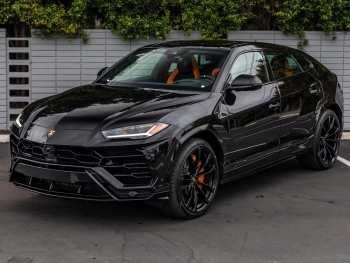
This is where a lot of confusion comes from - someone sees a dark tint on an SUV and assumes the same darkness is legal on their sedan, when in fact SUVs and vans are allowed darker rear windows under Florida law than passenger cars are. What's compliant on one vehicle type isn't automatically compliant on another.
What Happens If You Go Too Dark
Tint that's darker than legally allowed can result in a citation, and in some cases, drivers are required to have the tint removed or adjusted before the vehicle passes inspection. It's a frustrating and avoidable cost when a reputable installer would have flagged the legal limit before installation in the first place.
Ceramic Tint and Legal Compliance
The good news is that legal compliance and strong heat rejection aren't mutually exclusive. Ceramic window films can hit meaningful heat and UV rejection numbers well within Florida's legal darkness limits, so there's rarely a real tradeoff between staying compliant and keeping your car cool. If you're unsure where your current tint stands, it's worth having it checked - you can read the full breakdown here on measuring VLT percentage correctly before your next inspection.